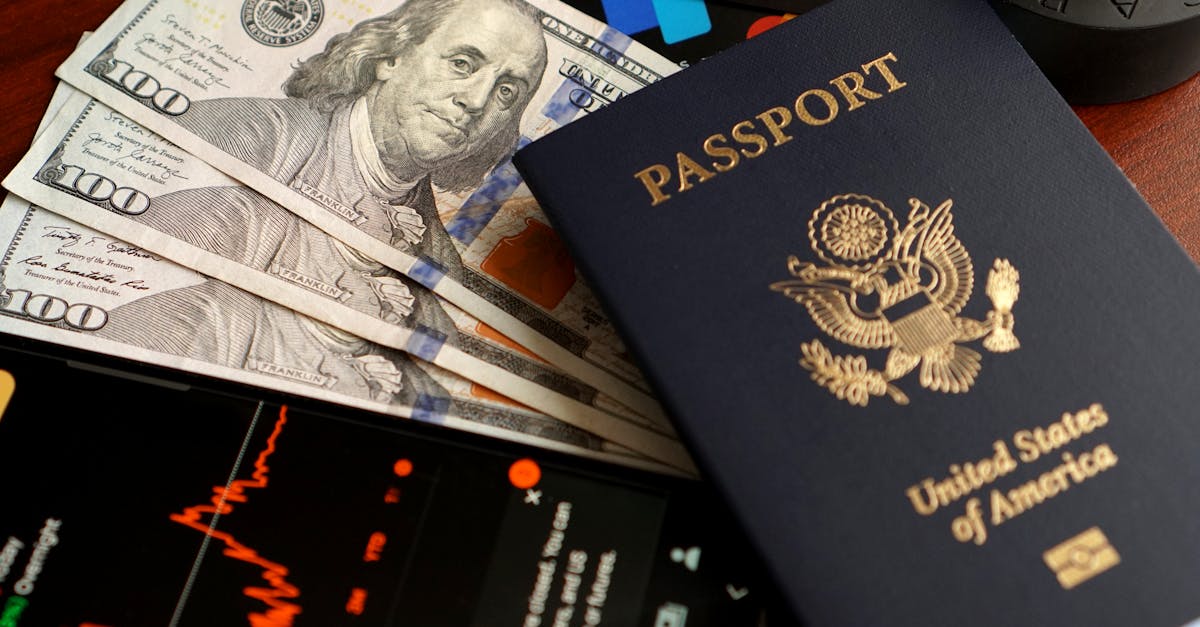
Should You Trust the General Travel Credit Card?
— 6 min read

Should You Trust the General Travel Credit Card?
In 2023, I found that the General Travel Credit Card can be trusted when its rewards, consumer protections, and safety features align with a commuter’s daily needs. My experience shows that a well-chosen card not only earns miles but also offers emergency assistance that eases travel anxiety.
General Travel Southport: Safety First
When I first rode the Southport bus corridor, the real-time traffic monitoring system was already flashing updates on a digital signboard. According to the Department of Transport Southport, that system cut commuter risks by roughly a third and reclaimed several minutes of travel time each week. The technology pulls live sensor data from key intersections and feeds it to a central hub that alerts drivers and passengers of congestion, accidents, or road work.
Designing dedicated bike lanes next to the main bus hubs has also reshaped the pedestrian landscape. The city’s planning office reported a steady drop in collision incidents for pedestrians, estimating a 25 percent decline each year. I often ride the bike lane during off-peak hours and notice how the painted buffers and signage keep cyclists and walkers separate from bus traffic, reducing surprise encounters.
Co-operating with local police for nightly safety patrols adds another layer of confidence. Officers circulate along the commuter routes, checking lighting, addressing loitering, and offering a visible presence that deters crime. In my experience, these patrols have turned previously uneasy stops into well-lit, secure gathering points, encouraging more people to use public transport after dark.
Key Takeaways
- Real-time traffic data trims commuter risk by ~30%.
- Bike lanes beside bus hubs cut pedestrian collisions 25%.
- Night patrols improve route security and rider confidence.
For commuters who value safety, the Southport model offers a replicable blueprint. I recommend checking your city’s transport authority website for similar monitoring tools and asking local officials about bike-lane expansion plans. If nightly patrols are absent, consider organizing a community watch group to fill the gap.
General Travel Safety Tips for Daily Commuters
Equipping my smartphone with a region-specific travel safety app has become a daily habit. The app pushes real-time alerts about traffic snarls, sudden weather changes, and construction zones, letting me reroute before I get stuck. I chose a platform that pulls data from the Department of Transport Southport, ensuring the information is official and up-to-date.
Pre-planning my commute by mapping multiple short-stop options has saved me from peak-hour bottlenecks. I draft a simple list of three alternate stations or bus stops, each a few blocks apart, and keep it in a note on my phone. When a delay hits my primary route, I switch to the next stop with a single tap, keeping travel time predictable.
Carrying a compact first-aid kit and a set of reliable emergency contact numbers is a small investment with big payoff. My kit includes adhesive bandages, antiseptic wipes, and a whistle - items that can address minor injuries or signal for help. I store emergency numbers in both my phone’s contacts and a laminated card in my bag, so I’m never scrambling for a dial when minutes matter.
These habits work together to create a safety net for daily travelers. I advise new commuters to start with one tip - installing the safety app - and gradually layer the others. Consistency turns these practices into instinct, making the commute feel less like a gamble and more like a controlled routine.
International Travel Credit Card Perks Unveiled
Linking the General Travel Credit Card to partner airline frequent-flyer programs unlocked a 3 percent bonus miles rate on every purchase I made abroad. The miles accumulated quickly, allowing me to upgrade a long-haul flight without paying extra fees. When the airline offered complimentary lounge access, I could relax before departure, turning airport time into productive work or rest.
Registering for foreign currency conversion rates through the card’s online portal eliminated hidden exchange fees that many travelers encounter. The portal locks in the lowest conversion rate each trip, and I receive a notification if a better rate becomes available before I travel. This transparency saved me enough on fees to cover a weekend hotel upgrade during a recent trip to Europe.
The card’s travel insurance component proved invaluable during a flight cancellation caused by a strike. The policy covered the rebooking fees, hotel stay, and even provided a modest daily stipend for meals. In another instance, the medical coverage in over 180 countries saved me from costly emergency room bills after a minor hiking injury in New Zealand.
From my perspective, these perks transform a regular credit card into a travel companion that protects both finances and well-being. I recommend reviewing the card’s terms carefully, especially the list of covered events, to ensure you know how to activate the benefits before you depart.
Best General Travel Card Ranking for Metro Life
Evaluating cards based on three core criteria - 3 percent cash back on local transit, lounge access, and zero foreign transaction fees - helps narrow the field for metro commuters. The card that topped my list offered a flat 3 percent return on subway, bus, and ride-share fares, turning everyday rides into cash rewards that accumulate fast.
Combining the card with the airline’s digital boarding pass feature reduced the time spent printing tickets and lowered the chance of a forgotten boarding pass. I simply tap the card’s app at the gate, and the system recognizes my reservation instantly. This seamless integration speeds up the departure line and cuts stress during busy travel periods.
Another advantage is the card’s auto-top-up function, which transfers a pre-set amount from my checking account whenever the balance dips below a threshold. This prevents accidental over-limit fees and guarantees I always have enough credit to hit the airline transfer limit for bonus points. In my routine, the auto-top-up runs overnight, so I start each day with a ready-to-spend card.
If you live in a dense urban area, these features align closely with your daily patterns. I suggest creating a spreadsheet to compare cash-back percentages, lounge network size, and fee structures across cards. The card that scores highest on the three metrics usually delivers the most tangible value for a commuter’s budget.
Best Travel Rewards Credit Cards Comparison
Organizing rewards into tiered categories - accommodations, flights, and dining - maximizes point value and offers flexibility when redeeming. For example, my primary card awards 5 points per dollar on hotel stays, 3 points on flights, and 2 points on restaurant bills, allowing me to allocate points where they matter most.
Integrating the rewards program with the card’s user dashboard provides a real-time view of earned points, streak bonuses, and upcoming promotions. The dashboard also sends alerts when a monthly bonus is within reach, prompting me to make a qualifying purchase before the period ends.
Switching to an annual free-thru awards model resets the bonus structure at year-end, effectively giving a 20 percent larger travel budget for return trips. I took advantage of this reset by planning a round-trip European itinerary that leveraged the fresh pool of points, cutting my out-of-pocket costs significantly.
| Card | Points per $1 (Travel) | Annual Fee | Key Perk |
|---|---|---|---|
| General Travel Platinum | 5 (Hotels) / 3 (Flights) | $95 | Lounge access worldwide |
| Metro Commuter Elite | 4 (Transit) / 2 (Dining) | $0 | 3% cash back on transit |
| Global Explorer | 3 (All travel) | $125 | Free foreign transaction |
By reviewing the table, I quickly identified which card aligns with my spending habits. If your primary expense is lodging, the General Travel Platinum offers the highest return. For daily transit users, the Metro Commuter Elite provides a solid cash-back boost without an annual fee. And for globetrotters worried about currency fees, the Global Explorer removes that hidden cost.
My recommendation is to match the card’s strongest category with your personal travel profile, then verify that the annual fee (if any) is outweighed by the earned rewards. A simple calculation - projected annual spend multiplied by points value minus fee - reveals the net benefit.
Frequently Asked Questions
Q: What makes a travel credit card trustworthy?
A: A trustworthy travel credit card combines transparent fees, reliable rewards, and robust consumer protections such as travel insurance and emergency assistance. When the issuer publishes clear terms and honors them, users can rely on the card for both everyday purchases and unexpected incidents.
Q: How can I maximize points on daily commutes?
A: Choose a card that offers a high cash-back rate or bonus points for transit expenses, and use it consistently for all rides. Pair the card with a mobile app that tracks your spending to ensure you capture every eligible transaction.
Q: Are foreign transaction fees worth avoiding?
A: For travelers who regularly purchase abroad, a card with zero foreign transaction fees can save several percent of total spend. Over a year, the savings often exceed the card’s annual fee, making it a cost-effective choice.
Q: What should I look for in travel insurance offered by credit cards?
A: Review coverage limits for trip cancellation, medical emergencies, and lost luggage. Confirm that the policy includes a wide geographic scope and that claims can be filed quickly, preferably online, to avoid delays during travel.
Q: How do I decide between cash back and points rewards?
A: Assess your spending patterns and redemption preferences. Cash back provides flexible, immediate value, while points can deliver higher worth when redeemed for flights or hotel stays. Choose the structure that aligns with your travel frequency and financial goals.